Spring on the Island brings sunshine, warm breezes, and thousands of visitors ready to spend long days on the beach. And almost every year, the same question comes up: Why does the water look different every time I visit?
The truth is, the Gulf of Mexico is one of the most dynamic coastlines in the country, constantly shaped by wind, tides, currents, and the movement of sand. Its color and clarity can shift not just season to season, but sometimes overnight.
Wind is the biggest player. Along the Upper Texas Coast, a change in wind direction can completely transform the shoreline. Strong north winds stir up the shallow seafloor, lifting fine sand and silt into the water and giving the Gulf its familiar tan or greenish tint.
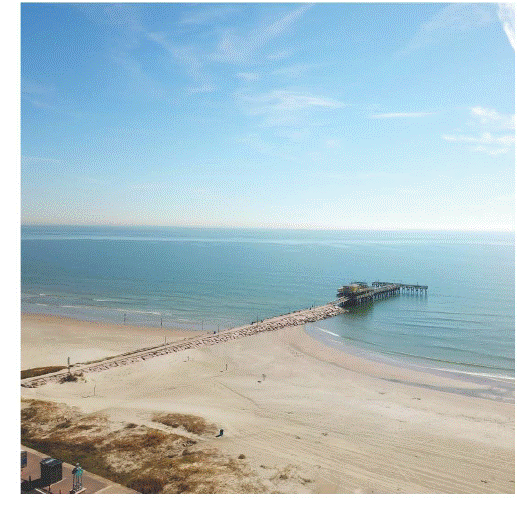
But when the winds settle into a steady southerly flow - especially in spring - clearer offshore water is pushed toward the Island. With calmer seas and less sediment in motion, the water can take on a brighter green or even a soft blue hue.
Visitors are often surprised by these “blue water days,” but locals know they’re part of the Gulf’s natural rhythm.
Galveston’s beaches sit on a wide, shallow shelf, which means the water is always interacting with the sandy bottom. Even gentle waves can cloud the shoreline, and that’s perfectly normal for a barrier island.
After heavy rains, freshwater from the bay and mainland flows into the Gulf, carrying silt that temporarily changes the color. High tides, on the other hand, can pull in cleaner offshore water, especially when the winds are light and the weather is stable.
Spring often brings exactly those conditions - a stretch of calm days when the Gulf settles, the sediment drops, and the water brightens in a way that feels almost tropical.
The Gulf’s color isn’t shaped only by what happens near Galveston. Hundreds of miles away, the Mississippi River empties enormous amounts of freshwater and sediment into the Gulf, creating a plume that drifts along the coast.
 In certain seasons, especially after heavy rains upstream, that plume pushes closer to Texas and subtly influences the water’s color. Even though we’re far from the river itself, its reach extends all the way to our shoreline, adding another layer to the Gulf’s ever-changing palette.
Every so often, Galveston gets one of those rare, beautiful “blue water days,” when the Gulf turns unexpectedly clear and bright. These moments usually follow a stretch of calm weather, light winds, and gentle tides - the perfect combination for sediment to settle and offshore water to move in.
When that happens, the Gulf reveals a side of itself that surprises first-time visitors: a soft, glassy blue that looks almost tropical. It never lasts long, but that fleeting quality is part of the magic.
Water clarity also changes what you’ll notice along the shoreline. On calmer days, when the water settles and visibility improves, beachcombers often find more shell hash, small fossils, and bits of marine life washed in from deeper water.
Wildlife responds to these shifts too - dolphins tend to feed closer to shore when baitfish move in with clearer water, and pelicans follow right behind them. Even a casual walk along the beach becomes more interesting when you understand what the water is doing.
The Gulf has a personality all its own - sometimes calm, sometimes restless, always changing. Its color is a reflection of everything happening around it: the wind, the tides, the weather, the season, and even distant rivers.
For anyone spending spring break on the Island, that ever-shifting shoreline is part of the experience. As coastal researchers often note, the Gulf is never the same two days in a row - and that’s part of what makes Galveston’s shoreline so fascinating.