Fall in Galveston comes with a quiet sigh of relief. After a summer marked by unrelenting heat and the ever-present watch for tropical storms, the island greets autumn with a subtle shift to lighter and cooler evenings.
This cooler weather allows us to bring color back into the garden. Yet, even as the weather softens, hurricane season continues through November 30, with its most intense months from August through October.
For gardeners, that means fall planting is both an act of optimism and a nod to preparation. The flowers chosen must provide beauty while standing a chance against sudden winds or rain.
Among the best choices for fall planting are chrysanthemums, marigolds, and salvias. These three flowers offer resilience and a painter’s palette of hues to brighten porches, patios, and garden pathways.
Soni Holladay, horticulture supervisor at the Cockrell Butterfly Center, notes that the season opens many possibilities for island gardeners.
“There is a wide palette of annual bedding plants that add color to the landscape in the fall,” she says, pointing to dianthus, snapdragons, pansies, violas, ornamental cabbage and kale, and dusty miller as excellent additions once temperatures cool.
ingers longer than inland, mums can provide weeks of color. Holladay emphasizes that Galveston’s sandy soil needs extra care.
“Adding compost and organic matter is super helpful for sandy soil. It adds nutrients to the soil and holds moisture.”
She recommends using a Microlife granular fertilizer and topping beds with a two-inch layer of mulch. This conserves water and breaks down into organic matter over time. Applied in both spring and fall, mulch keeps chrysanthemums thriving well into the season.
If chrysanthemums are the aristocrats of the fall garden, marigolds are the cheerful companions. Their bright orange and yellow blooms feel like bursts of sunlight, standing out vividly against the softer backdrop of the season.
 Marigolds thrive in the Gulf Coast’s sandy, well-drained soil and are remarkably tolerant of salt air. Holladay advises a little hands-on attention to keep them blooming into late fall.
“Cut the dried, spent flowers off your marigold plants (and mums too) to encourage them to make more blooms. Give an extra boost of fertilizer with Microlife granular or a liquid drench of Medina Hastagro or Microlife Ocean Harvest.”
Beyond their color, marigolds serve a practical role as natural insect repellents, often planted alongside vegetables to discourage pests.
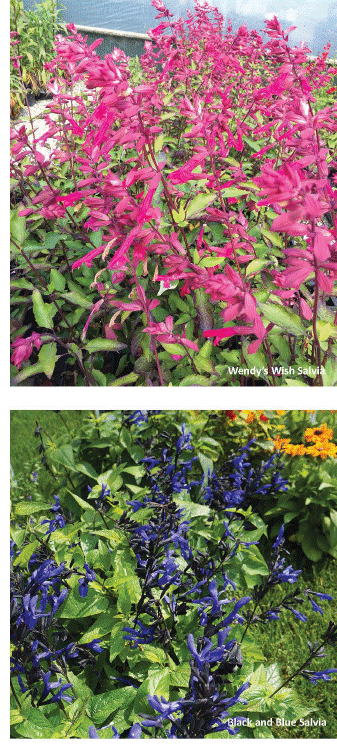
Then there are salvias - the understated powerhouses of the fall garden. Known for their spiky blossoms and shades ranging from deep blue to fiery red, salvias bring structure and movement to plantings.
They attract hummingbirds and butterflies, ensuring the garden hums with life as the days grow shorter. Holladay says fall is prime time for certain perennial salvias.
“Autumn Sage (Salvia greggii) blooms in the fall, and many salvia varieties will flush blooms in the fall, which are great for migrating hummingbirds.”
Her favorites include ‘Mystic Spires Blue,’ Mealy Blue Sage (Salvia farinacea), ‘Wendy’s Wish,’ and Salvia guaranitica varieties like ‘Black and Blue,’ ‘Amigo,’ and ‘Amistad.’ While some thrive in full sun, others prefer shade, giving gardeners flexible options for different sites.
Even the toughest fall flowers need thoughtful care in Galveston’s coastal climate. Holladay suggests watering in the morning, especially for newly planted flowers.
“Make sure to water them in well and keep them watered frequently for a week or two until they have rooted in, and then you can decrease the frequency,” she explains.
As for the occasional salt spray from the Gulf, Holladay reassures that unless a garden is right on the beach, it usually isn’t an issue. If residue does build up, a gentle rinse from the hose will refresh plants.
Still, hurricane season looms. Even hardy flowers need protection when a tropical storm threatens.
Gardeners often opt for container plantings during fall, as pots and tubs can be moved quickly to sheltered spots like garages, covered porches, or indoors if a storm is imminent. Raised containers also reduce the risk of saltwater flooding damaging root systems.
For in-ground plantings, the best defense is strategic placement. Place plants near fences, walls, or windbreaks that minimize gust exposure.
Mulching heavily around the base helps keep roots secure in saturated soil, and gently staking taller salvias can prevent stems from snapping under strong winds.
Holladay is practical about storm preparation. “Unless they are in pots, you cannot do much. If you have something special, you can dig it up and store it in pots.”
Together, chrysanthemums, marigolds, and salvias embody the essence of Galveston’s fall garden - colorful, resilient, and in tune with the rhythms of the coast. They bring joy as the landscape fades and remind islanders of their own resilience, cultivating beauty in an uncertain season.
For Galveston gardeners, planting these blooms is more than decoration - it’s a celebration of endurance and color at the Gulf’s edge.